DSP & Signal Processing
Digital signal processing. FFTs, FIR filters, and the math running inside every voice assistant, noise-cancelling headphone, and smart speaker you own.

FFT: 2026 Specs, Costs, and Tradeoffs
FFT in 2026 gets clear fast. See why O(N log N) replaced O(N squared), with the 2048 point run that finished in 0.02 minutes.
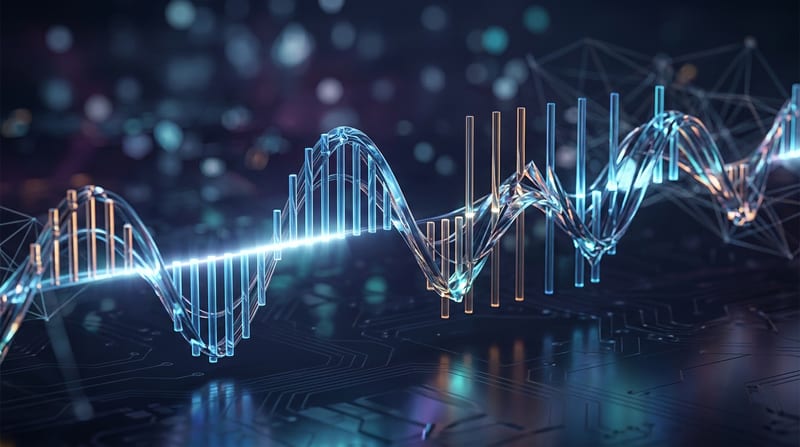
Nyquist Theorem: 2026 Specs, Limits, and Aliasing
Nyquist theorem in 2026, with the 1949 source, aliasing limits, and what the math actually guarantees when you sample an analog signal.
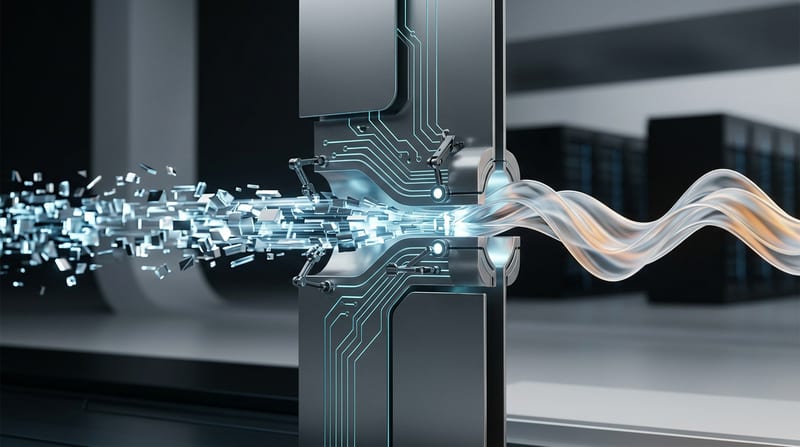
Digital Filter Design: Balancing Performance and Constraints
Digital filter design balances stopband attenuation, phase response, load and stability against hardware constraints. The DSP signal chain maps to FIR, IIR and
Digital Signal Processing in 2026
Learn how digital signal processing works in broad terms, with 2026 context and bench-level examples from camera, audio, and sensor pipelines.
FIR Filter: 2026 Specs and Tradeoffs
Understand FIR filter operation in 2026. We detail tap counts, coefficient loading, and the 256-value touch per sample, contrasting with IIR. Field
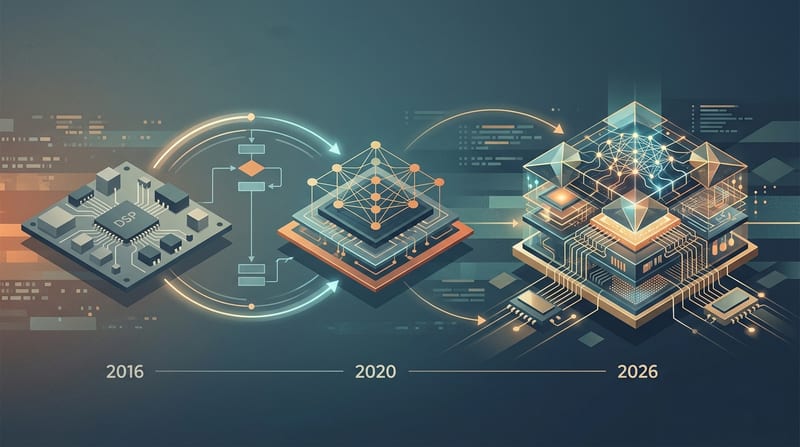
How AI Chips Evolved from Basic DSP Processors 2026
How AI Chips Evolved From Basic DSP Processors in 2026, with 2026 source-backed architecture shifts, measured throughput, power tradeoffs, and price

Audio DSP in 2026, CPU Limits and Timing Tradeoffs
Audio DSP in 2026 explains why 1 sample deadline math favors MAC-heavy cores over CPUs, with timing, power, and scheduler tradeoffs that change design
IIR Filter: 2026 Specs, Stability, and Tradeoffs
IIR filter behavior in 2026 starts with feedback. See why fewer coefficients can get steeper rolloff, and how 1 bad pole placement can destabilize it.
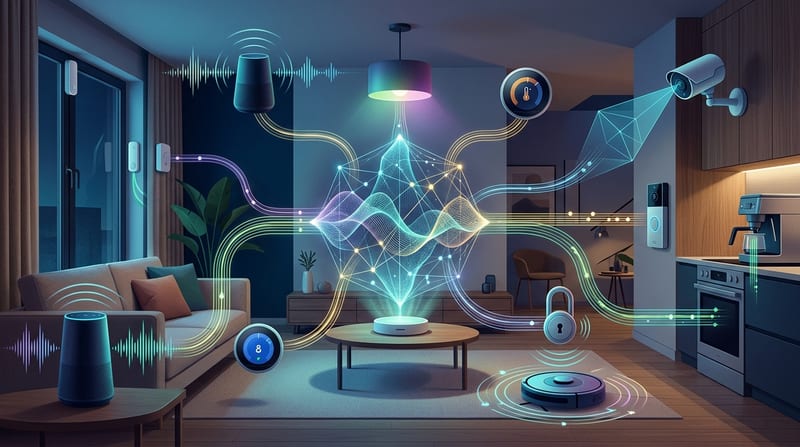
How DSP Powers Every Smart Home Device You Own
How DSP Powers Every Smart Home Device You Own. DSP in MCUs samples analog signals via ADCs and runs real-time math to issue commands to motors and switches.